Academic Project
Liberamente
The thesis explores the role of design in NCDs prevention and defines a Well-Care Design approach, then develops a product-practice solution to tackle the issue of Bedtime Procrastination in young adults. The thesis closes with a small experiment to measure and test the efficacy of the solution.
WHAT I DID - strenghts
As an individual thesis, the project is a true reflection of my skills and my interests. The topic was my own original proposal, that stemmed from a desire to explore the contribution of design to society. This project showcases how I can follow up on my intuition with strong analytical skills and scientific rigor. It was quite an ambitious endeavor in which I dedicated a lot of time and energy.
WHAT I’VE LEARNED - progress
Firstly my main objective was to find confermations and aswers to my intuitions in regards of the new roles design can have in addressing today’s most pressing issues. The development of this thesis is what ultimately brought me to enroll in my master’s. By contrast I’ve also learned the invaluable assets that teamwork brings, that simply cannot be substituted by individual work.
WHAT I WOULD IMPROVE - reflections
As aforementioned I would involve a team, I would also seek experts’ opinion rather than rely solely on literature. I did validate the design with the final users but I would try to involve them from the beginning, specifically in framing the problem. In hindsight I can see how I was already trying to move from a product to a service that here I called “practice”; now that I’m familiar with service design terminology and methods I would approach things differently.
The research and the reason behind the project
I developed Liberamente as my bachelor’s thesis. I followed a research methodology to investigate the role of design in promoting health and wellbeing, focusing in particular on Non Communicable Diseases (NCDs). I found some answers in the salutogenic and biophilic design movements, but then decided to introduce a new term to define the specific design field and role I envisioned.

WELL-CARE DESIGN
Products, services or systems designed to promote a person’s wellbeing in their everyday life which can be implemented at home and in which the person is an active and aware participant.
Scenario
Good sleep is paramount for a healthy life and the lack of it has many implications on NCDs. I delved deep into the topic and identified different challenges from different population groups. I addressed the following:
Brief
youths + bedtime procrastination
Plan a ritual for the evening and for the morning so as to ensure a personal space to relax before bed and to start the day in the best possible way.The Solution: Liberamente
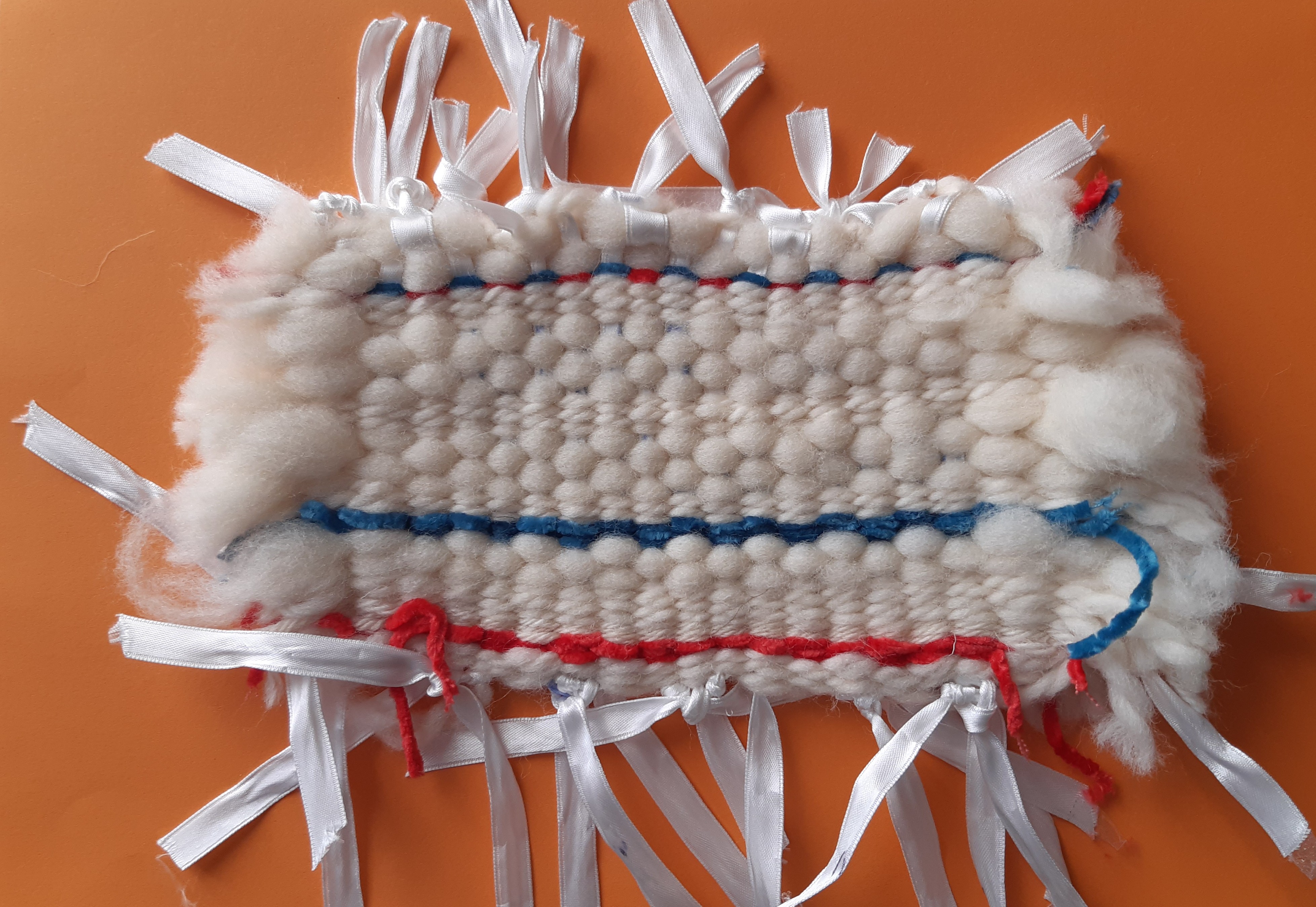
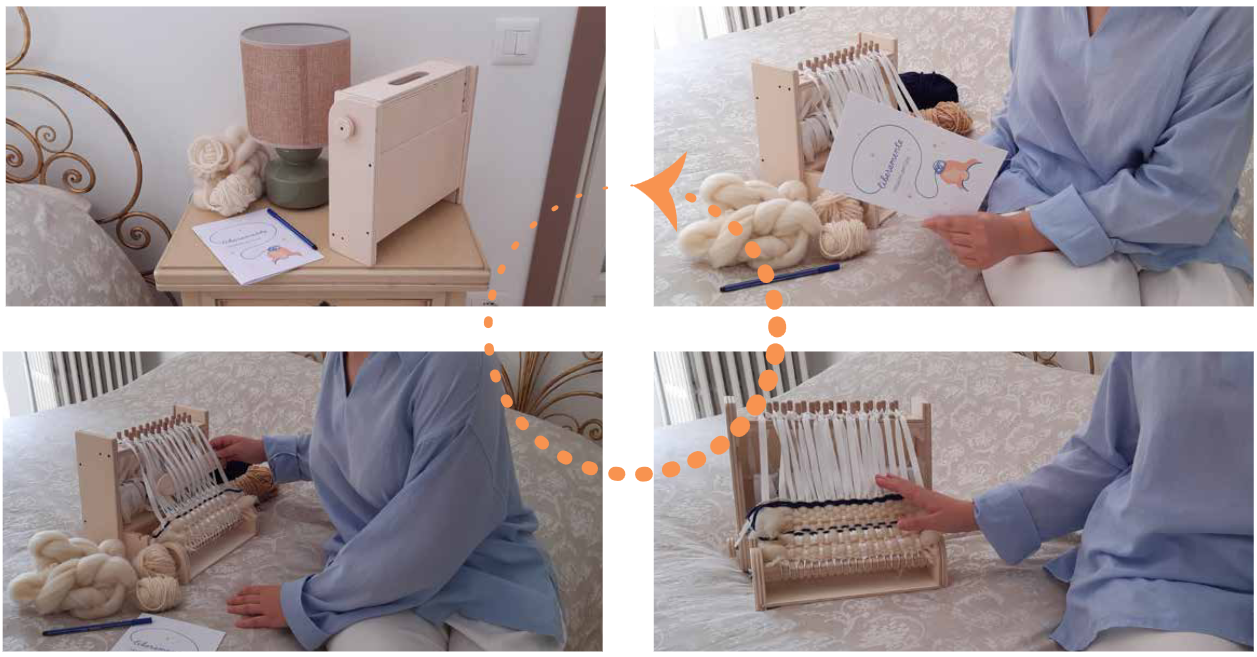
A daily practice that involves a relaxing moment of introspection before and after sleep, guided by a repetitive hand weaving activity that stimulates the senses and frees the mind. The words resulting from the reflection become part of the structure of the fabric and follow one another day after day like a potentially infinite diary. The fabric created acquires a personal value beyond the quality or usefulness which is not given importance to.
The Hooked Method
During the development of the project the Hooked method developed by Nir Eyal to build habit-forming products was used as a reference for designing the user experience.
Trigger: loom at bed-side
At first, the loom in shight prompts use; later, the trigger becomes internal.Action: journal and weave
A journaling activity followed by weaving, motivated by the Endowed Progress Effect.Investment: learning
Two investment required: learning a new craft and providing personal content.Variable Reward: fabric
Not only the ever changing cloth, but also the development of a new skill.The Loom
I tweaked the traditional loom in order to both simplify the weaving, and therefore increase the user’s motivation, and allow for continued use over an extended period of time. After the crafting of a few study models, prototypes were necessary to test the usability of the redesigned loom and to carry out experimentation to verify the effectiveness of the designed practice. Models and prototypes were built with the help of La Cupertino, a woodwork and carpentry shop where I was working at the time.

Experiment and Testing
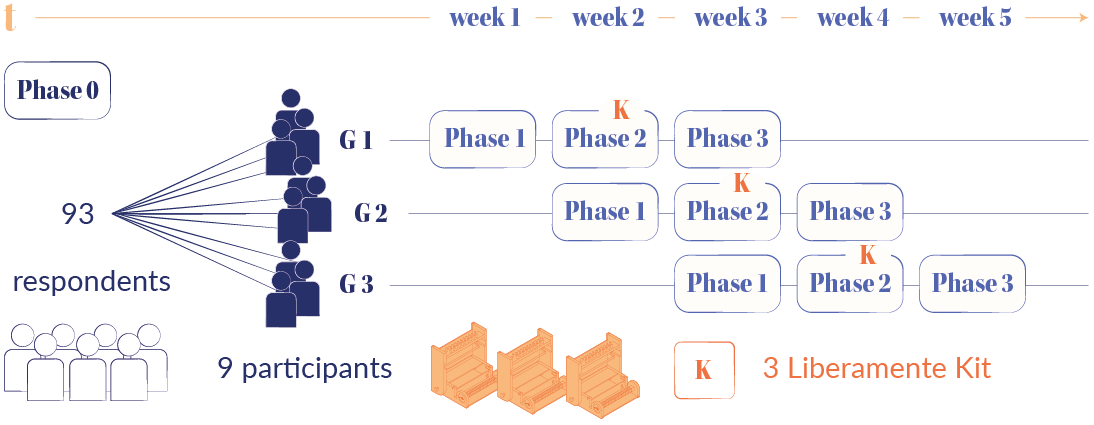
Phase 0: participants selection
The participants were selected based on their answer to the preliminary questionnaire administeres via Google Forms.Phase 1: initial evaluation
Participants baseline sleep quality was evaluated quantitatively with the Pittsburgh Sleep Quality Index, and qualitatively with a Sleep Diary.Phase 2: Liberamente in use
The participants implemented the Liberamente practice for 7 days, during which they continued compiling the Sleep Diary.Phase 3: data collection
Results after use were collected via the PSQI, once again, and one-on-one interviews to collect more qualitative data.The Timeline
Results
Improved sense of control and better sleep quality
During the interviews many participants said to have felt somewhat more in control of their time which is a core issue in bedtime procrastination. For most of the participants a noticeable sleep quality improvement was measured (PSQI) after the implementation of the Liberamente Practice.

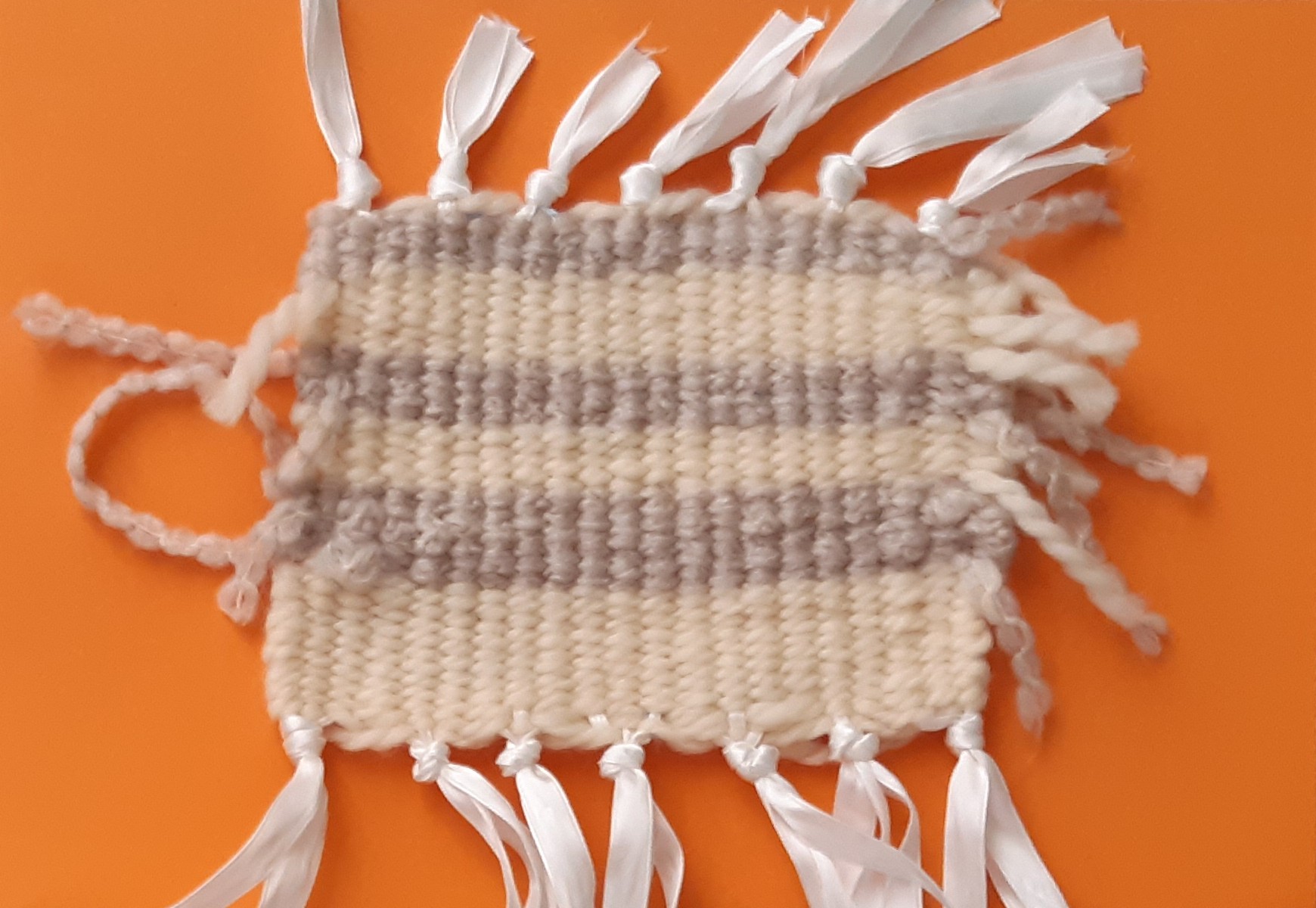

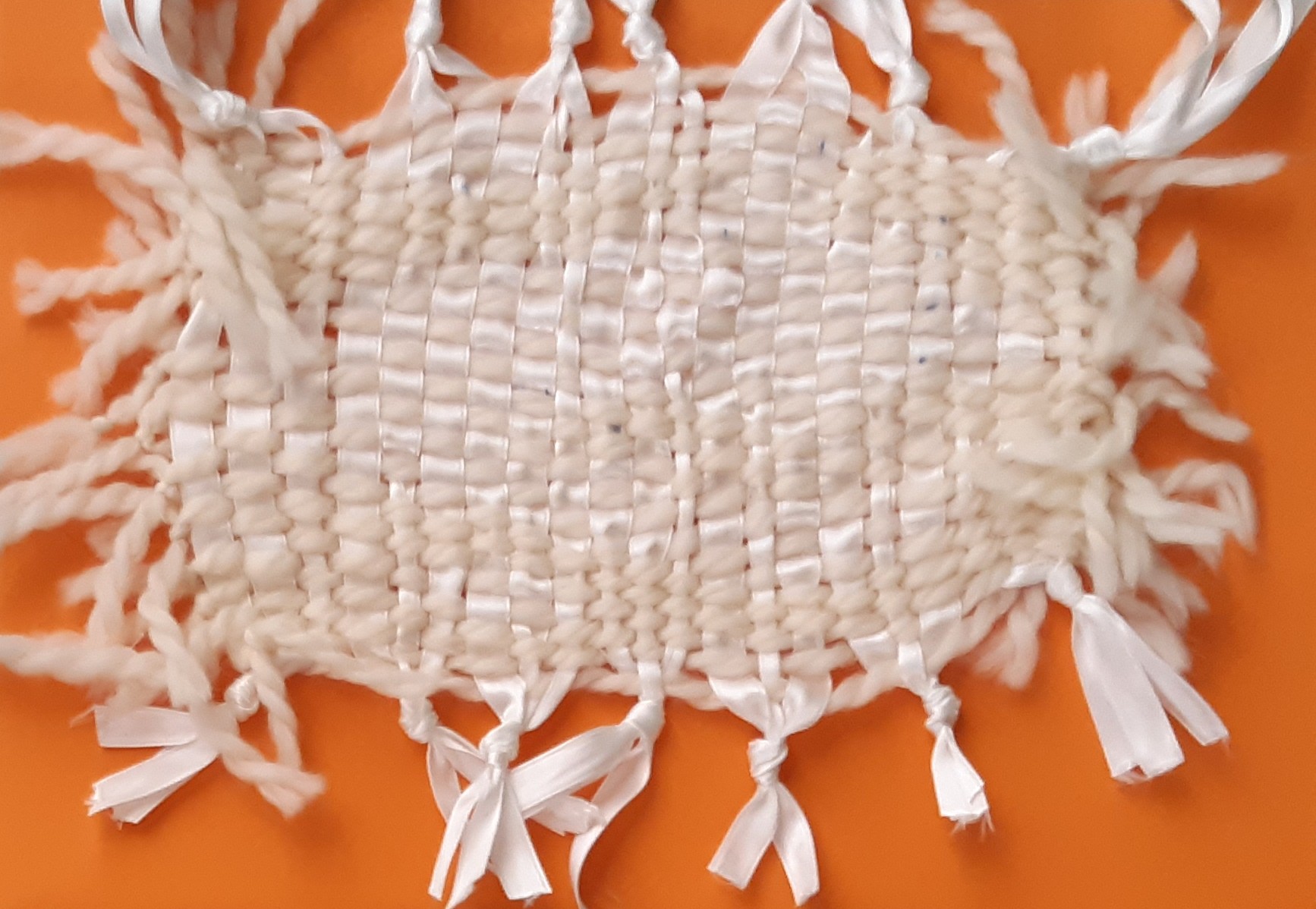
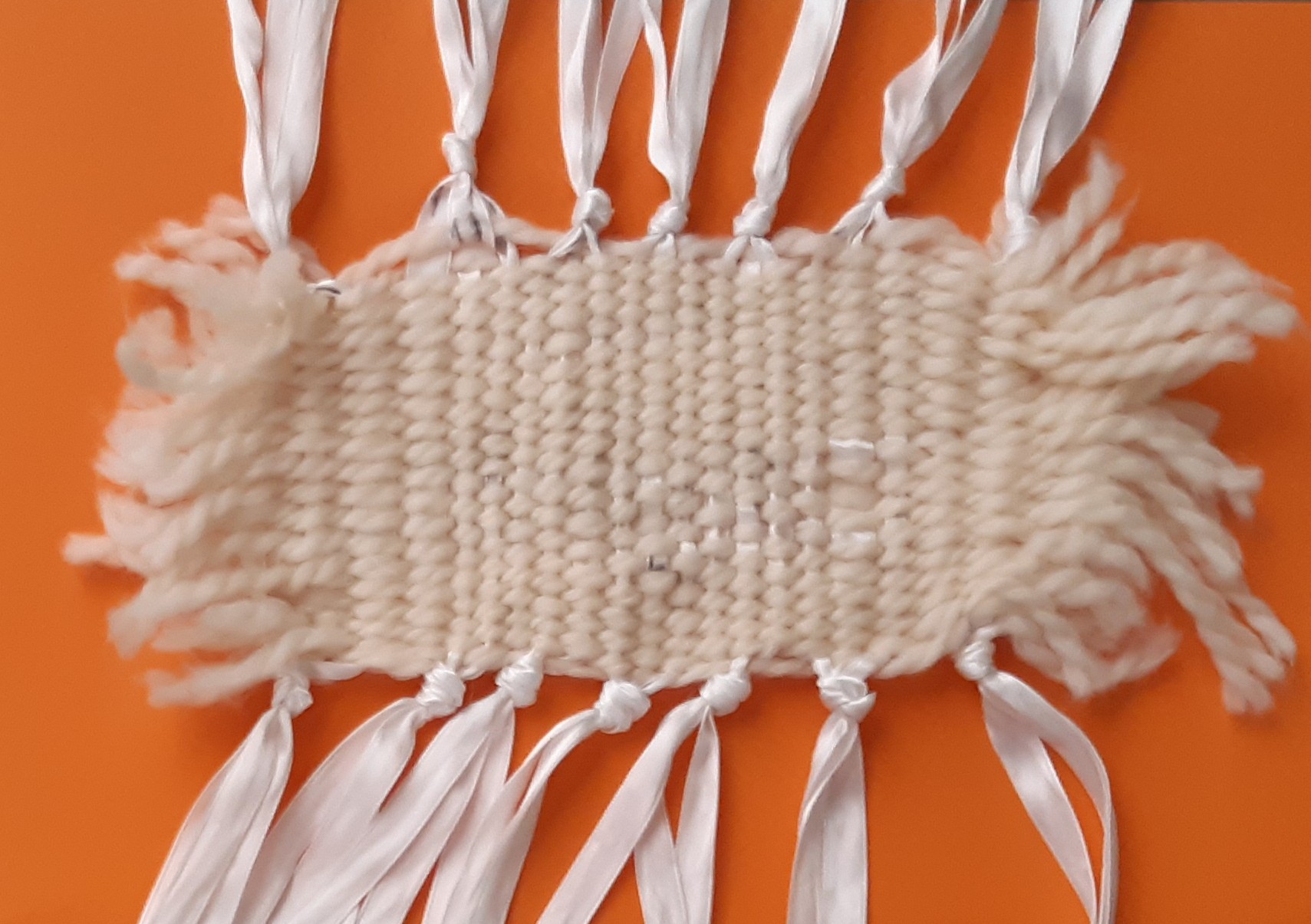
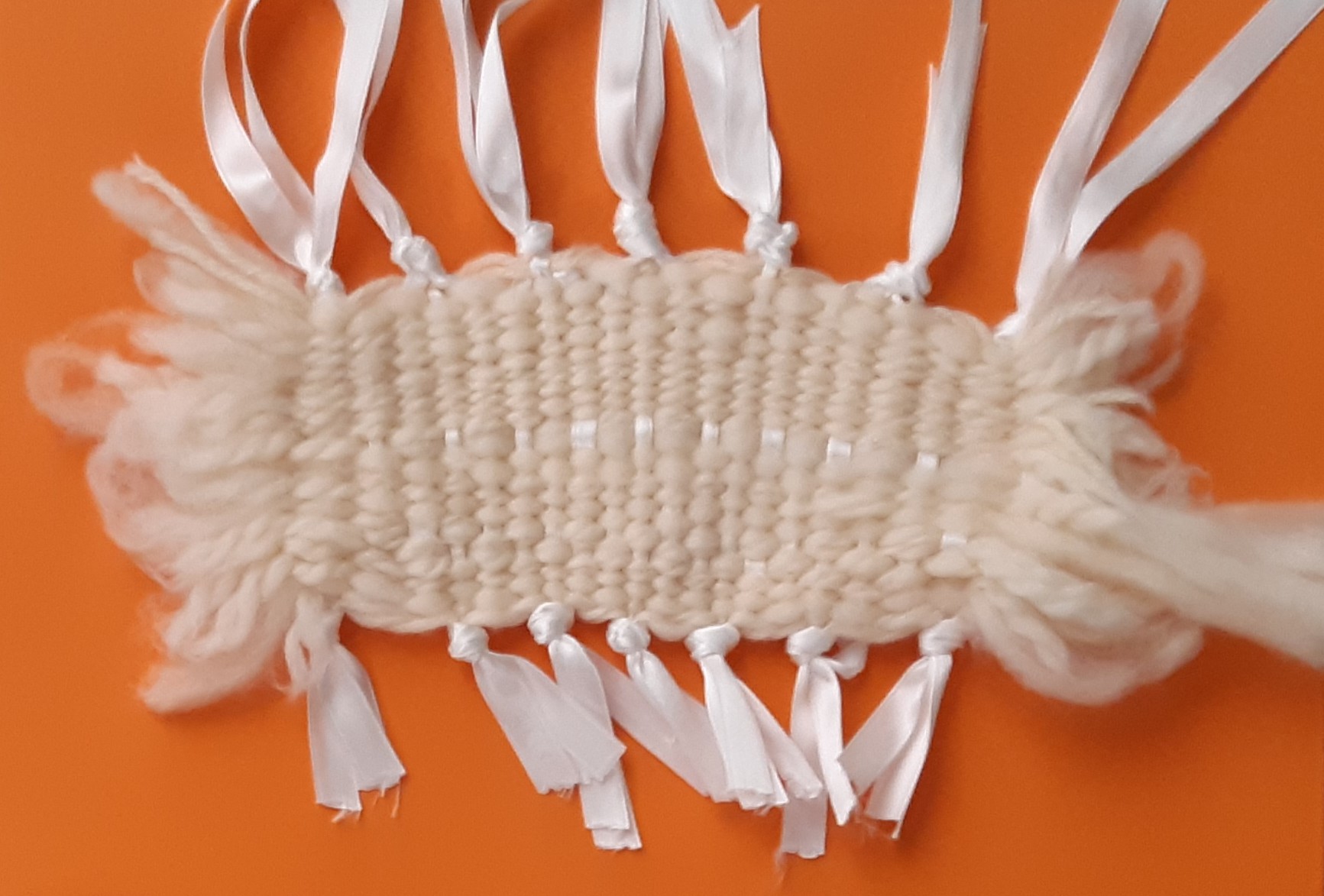


For the full project read the thesis (available in italian only)